
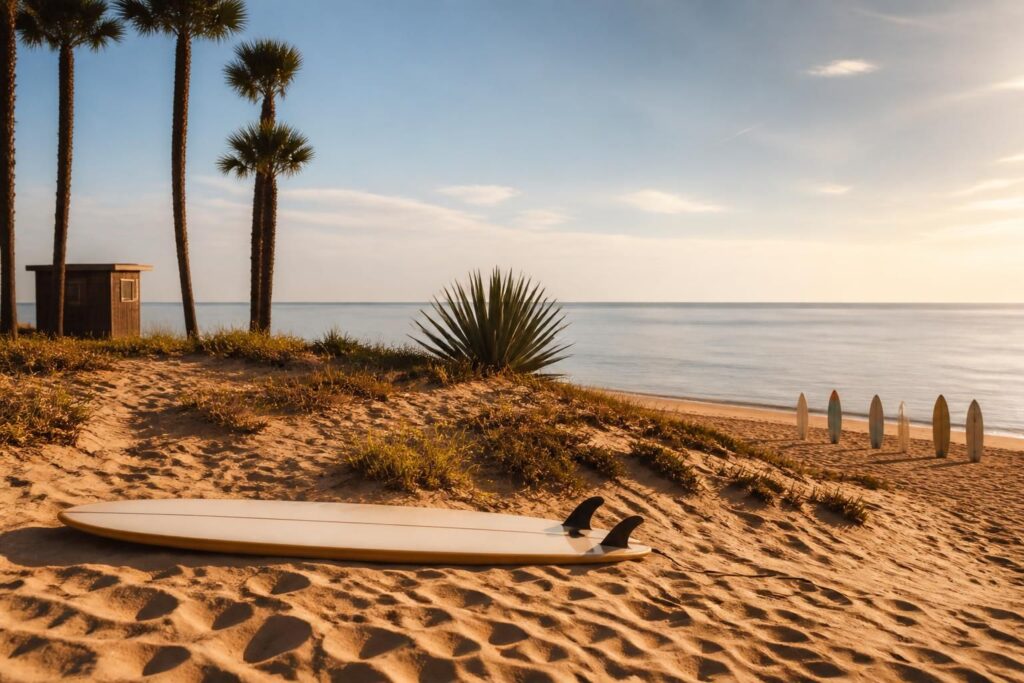
When the western swell hits the Aquitaine coast, every meter of foam reminds us that surf depends on a playground that is alive: the ocean. From one season to the next, the beach advances or recedes, and sandbars redraw the waves. Beneath the palm trees lining newly renovated promenades and among the pines of the Landes, the passion remains unchanged; the topography, meanwhile, changes relentlessly.
Aquitaine coastline: a playground that shifts with the seasons
Between Soulac and Hendaye, 270 kilometers of sandy beach form continental Europe’s longest surfing stretch. According to the BRGM, some areas lose up to 3 meters a year. As a result, the same peak that delivered a perfect bottom turn last year can turn into an unrideable shorebreak the following fall. The map of surf spots in Nouvelle-Aquitaine now requires constant updating, and even historic lineups like La Nord in Hossegor are not immune to natural reshaping.
Erosion, rock revetments, and sandbars: how the spot reconfigures
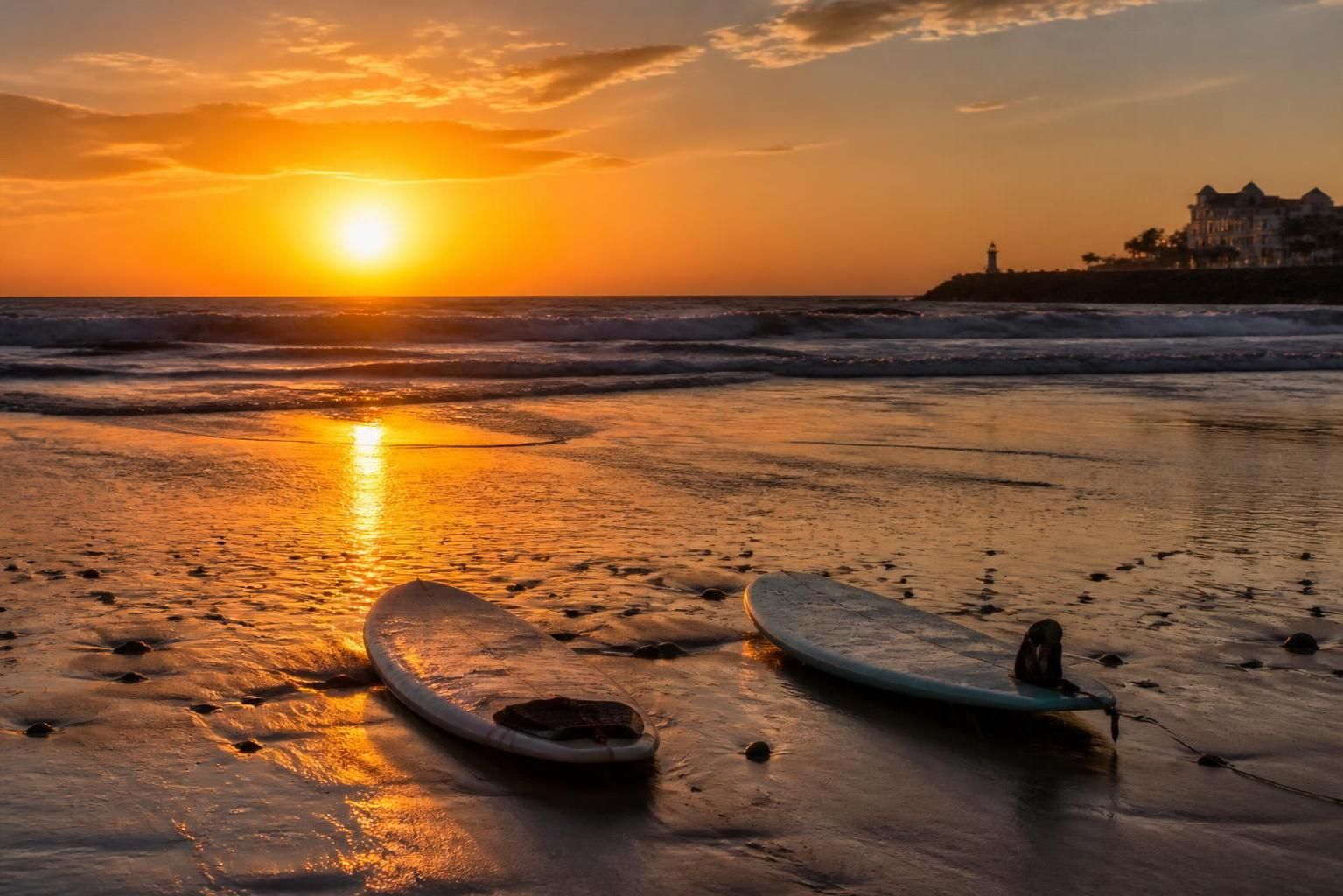
Winter storms move millions of cubic meters of sediment. In some areas, temporary rock revetments protect roads but interrupt sand drift, altering wave quality. Conversely, in spring, sandbars replenish, recreating bars that produce fleeting peaks. Schools adjust their schedules: in Seignosse, several instructors move lessons 400 meters south as soon as the sandbars shift.
A similar strategy can be seen in Capbreton: local riders monitor the bathymetric data published monthly by the Coastal Observatory to anticipate the ideal windows for sunrise sessions.
Lacanau Pro 2026, a reflection of a community under pressure
From July 8 to 14, the 45th edition of the contest brings together 350,000 visitors. Beyond the aerials scored by the WSL, the event emphasizes education: recycling stations, talks on water quality, and adaptive surfing introductions with See Surf. For groms, watching the pros carve a backside roller in front of the judges is as valuable as a lecture on swell dynamics.
Associations on the front lines to keep the ocean clean
Four NGOs are taking action all week:
- Wings of the Ocean : collecting large debris by stand-up paddleboard.
- P’Sea : microplastic workshops for middle school students.
- One Ocean : raising awareness of coastal biodiversity.
- See Surf and the Aliénor Guide Dogs : tandem sessions for visually impaired people.nautical sports in tandem for visually impaired people.
These efforts complement the private initiatives described on the Passion Surf Landes portal, where shapers, brands, and volunteers share their feedback to reduce the carbon footprint of events.
Surf industry economics: impact and prospects on the coast
In 2023, the EuroSIMA cluster already estimated the regional sector’s revenue at nearly one billion euros. As the industry goes green, here are the key indicators:
| Segment | Companies | Direct jobs | Change 2023–2026 |
|---|---|---|---|
| Shapers & repairers | 145 | 620 | +6% |
| Schools & coaching | 210 | 980 | +9% |
| Equipment distribution | 55 | 640 | +4% |
| Events | 40 | 310 | +7% |
Sustainable innovation: eco-designed boards and recycled neoprene
Seignosse labs are working on algae-based foam blanks, while Bordeaux start-ups are testing plant-based neoprene made from guayule rubber. Yet the value chain still has room for improvement: air travel for pros, plastic packaging, single-use wetsuits. A complete report on these contradictions in the surf industry shows that there is still plenty of room to maneuver.
Surf tomorrow: local strategies to keep the wave alive
Local authorities, clubs, and riders are developing an adaptation plan. Options include temporarily relocating competitions during severe wave-submersion alerts, targeted sediment replenishment, and a “zero waste session” charter required for every certified school. In Hossegor, the “Sand by Nature” pilot program is testing gentle drainage to maintain the spot’s profile without concreting it over.
How can you tell whether an Aquitaine spot will be surfable this week?
Check swell reports alongside bathymetric data from the Coastal Observatory; add the tide and local wind to fine-tune your surf window.
Why do some competitions change beaches at the last minute?
When the swell, tide, or water quality no longer meets standards, relocating helps ensure athlete safety and fair competition.
Is recycled neoprene as high-performing as traditional neoprene?
2026 tests show equivalent flexibility; only long-term durability remains under observation, with just three seasons of intensive use to date.
How quickly is the Aquitaine coast receding?
The regional average is around 1 to 2 meters per year, reaching as much as 3 meters in some highly exposed areas.
What individual actions can reduce the environmental impact of a session?
Choose carpooling, use wax without petroleum-based ingredients, rinse your wetsuit with collected rainwater, and pick up five pieces of litter when leaving the beach.