
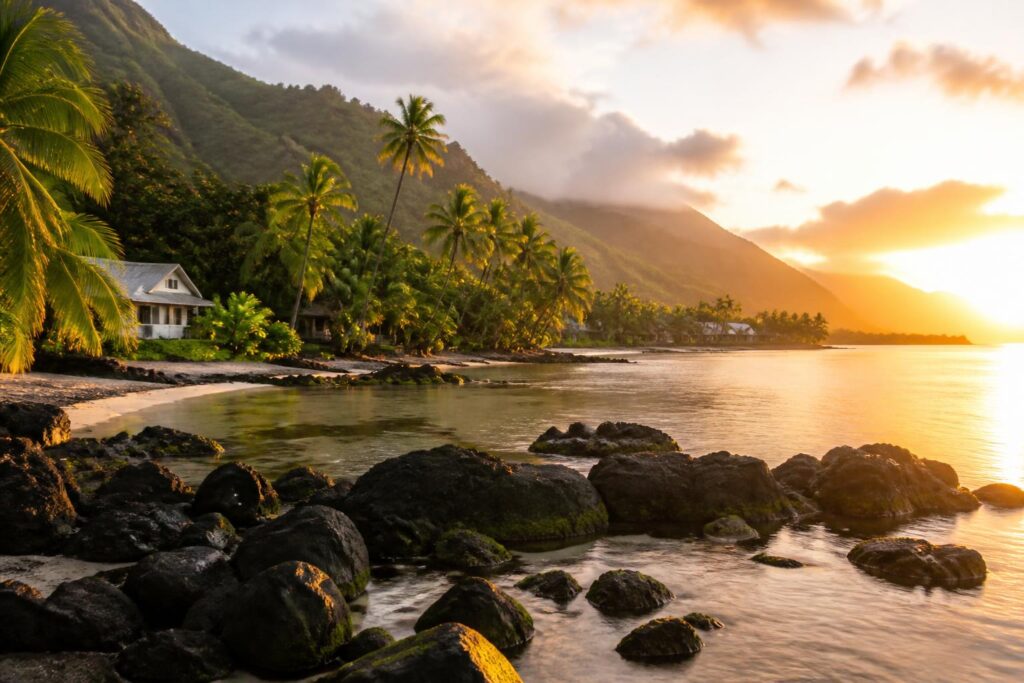
More than 10,000 miles from the Paris Olympic Village, the surf event at the Olympics has set up shop in Teahupo’o, on the peninsula of Tahiti. Between XXL barrels and fragile biodiversity, the competition site has become the focal point of a controversy that has shaken the global lineup since 2023.
From the choice of wave to every last bolt on the judges’ tower, every detail raises questions of safety and reef preservation. A look at the reasons the channel is still buzzing as the competition is in full swing.
Teahupo’o: A legendary spot turned Olympic issue
Hossegor, Lacanau, and Biarritz offer only beach breaks in the height of summer. By contrast, Tahiti’s reef delivers crystal walls in late July that can reach nearly 16 feet—ideal for a global TV spectacle. This choice makes sense from a wave standpoint, yet it has revived fears of an irreversible impact on coral already battered by ocean heat waves.
Legendary barrels, a reef under close watch
Teahupo’o’s power comes from a razor-sharp coral ramp. A simple mechanical snag—a poorly placed pile or improperly secured drainage pipe—can crack the living formation and alter the swell’s rebound. Local scientists point out that a millimeter of coral growth can sometimes take an entire year: any damage is therefore nearly permanent.
Tower construction: timeline of a controversial patchwork fix
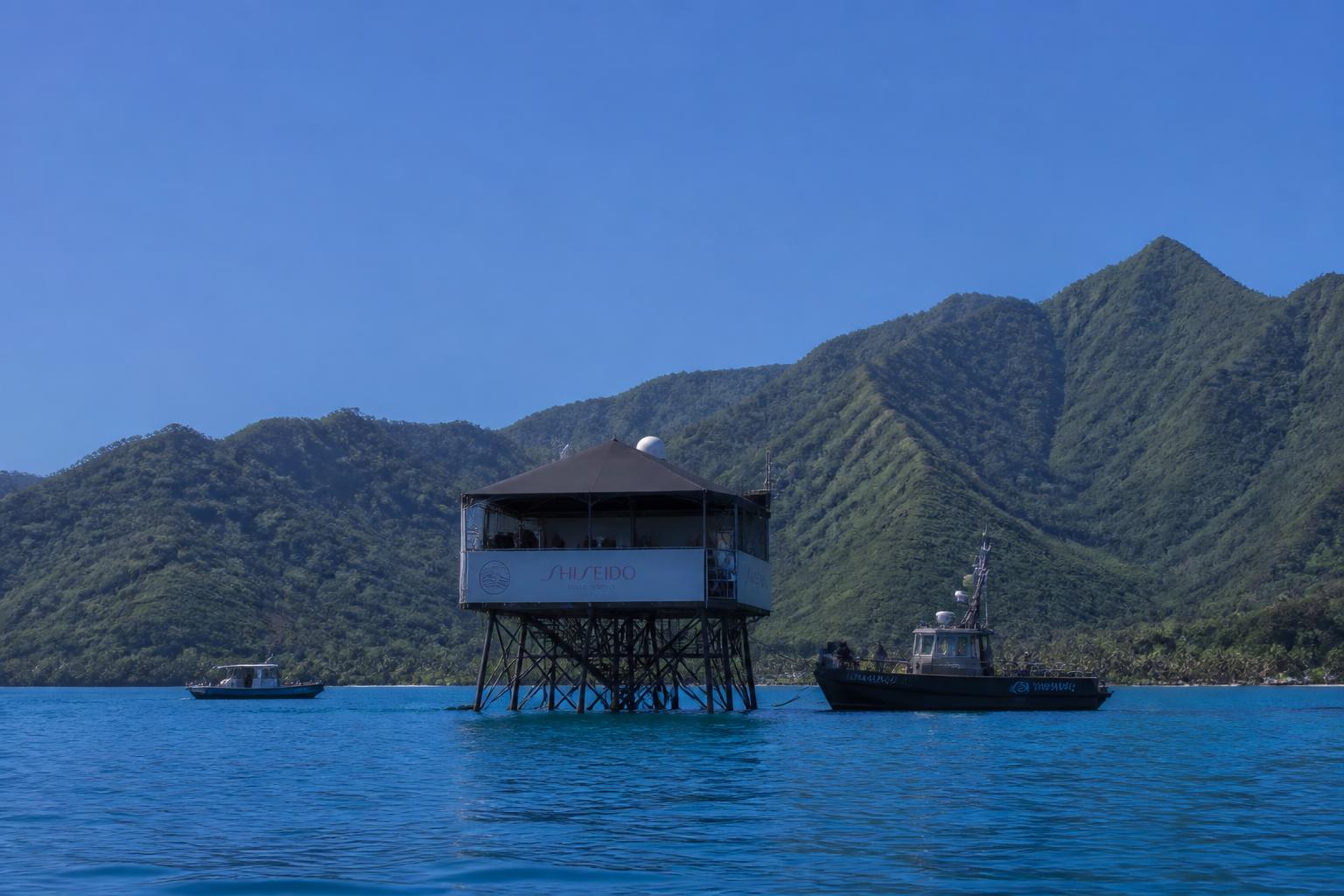
The existing wooden tower, standing on the reef pass for twenty years, no longer met the IOC’s cyclone-resistance standards. Hence the initial idea of an air-conditioned aluminum behemoth. The petition launched by the Mā’ohi community changed the situation. A look back at the key dates.
- September 2023 : announcement of the three-story aluminum tower project (€4.6 million).
- October 2023 : residents’ petition—250,000 signatures, with support from Kelly Slater.
- November 17, 2023 : revision toward a lighter structure.
- December 1, 2023 : construction barge catches on the reef; work halted.
- April 2024 : approval of a removable tower with 25–30 seats.
Old tower vs. 2026 tower: what do the specs say?
| Feature | 2000–2023 wooden structure | 2026 removable structure |
|---|---|---|
| Capacity | 35 people | 30 people |
| Total weight | ≈ 28 t | ≈ 18 t |
| Reef foundations | 20 driven piles | 12 shallow piles |
| Equipment | Basic platform, no AC | Removable modules, solar power |
Organizers swear that this “lite” version minimizes the impact. Yet several NGOs point to the lack of an independent post-installation study. In the same vein of controversies surrounding surf events, this scandal involving a British stop reminds us that transparency and governance often remain buried beneath the foam.
The question is: can sport and nature finally share the lineup?
Since January 2024, monthly meetings have brought together residents, shapers, engineers, and IOC representatives. The presence of independent observers during each construction dive has partially reassured the community.
One anecdote illustrates the current mood: during the last February swell, locals spontaneously moved broken coral fragments to a nearby nursery area, proving that the culture of surf at Teahupo’o remains above all tied to caring for its environment.
This mobilization is also fueling the mainland scene. The Hossegor club, known for its committed sessions in the Landes shorebreaks, recently echoed the call for a comprehensive environmental audit, citing a European precedent to support the need for ongoing monitoring.
Long-term challenges for the spot and the French surf industry
With Teahupo’o as its showcase, France is betting big: a tourism boost in Polynesia, a green image for Paris 2026 and, above all, unprecedented exposure for the Federation. Recent partnerships with ocean-tech startups promise real-time reef monitoring through 2030. It remains to be seen whether this data will be accompanied by concrete action or merely a marketing veneer.
Why can’t the judges be stationed on land?
The peninsula’s terrain and the distance from the peak prevent a direct view of critical maneuvers from shore. Organizers believe an offshore position remains essential for scoring tube rides and the inside section where everything is decided.
Will the removable tower be used after the Olympics?
Yes. The contract provides for its assembly during local trials, the Tahiti Pro, and junior events. Between competitions, it will be stored on land to avoid a permanent presence on the reef.
What measures protect the coral during construction?
Divers guided by Criobe are moving live coral blocks out of the impact zone, a bubble curtain limits sedimentation, and each motorized vehicle is assigned geolocated anchor points to prevent any accidental dredging.
Do professional surfers still support the opposition?
A majority now supports the compromise, provided that ecological monitoring remains public. A few voices, including Matahi Drollet, still call for the structure to be completely removed after 2030 in order to return to a 100% boat-based setup.