
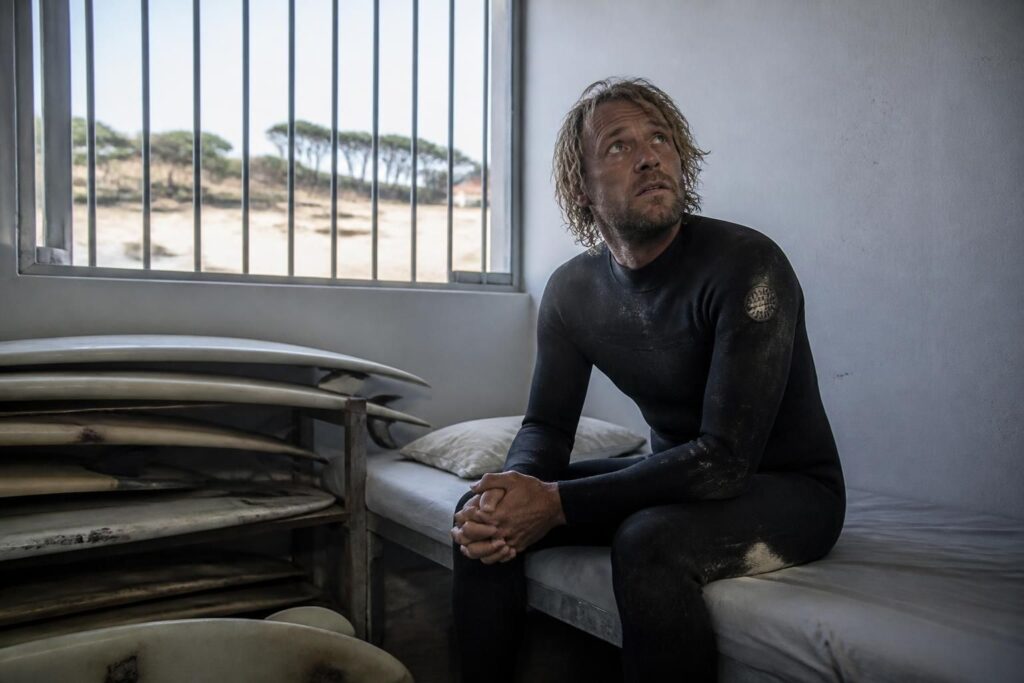
A routine traffic stop in Tarn turned into a legal nightmare for a surf instructor aged 55. The case illustrates the fine line separating a simple minor incident from a true descent into the prison system when paranoia, drug use and distrust of law enforcement pile up.
Surfing in Hossegor: a renowned coach’s downward spiral into prison
Recognized in the lineups of Landes and Savoie—“everyone knows who I am,” he proclaims—the rider traded Hossegor’s beach breaks for pretrial detention in Albi. This seasoned surfer, seen at the Quiksilver Festival as well as the Brittany Surf Tour, nevertheless found himself in trouble over an unfortunate traffic stop. The sequence: refusing a drug test, insults, threatening officers with a Swiss Army knife, then resisting arrest. The result: swift justice and nine months in prison.
From Blaye-les-Mines to a cell: a precise account of the events
April 15, 2025, returning from a skatepark session and stopping by his weed supplier: he encountered a police checkpoint. Red eyes, the smell of weed, a botched stop. He announced he was “armed”—with a folding blade to back it up. The handcuffs clicked, and the situation escalated into a tense misunderstanding; cameras were not activated, and accounts differed.
Alleged offenses and possible penalties: what does the criminal code say?
The presiding judge reviewed the relevant statutes. Below is a brief overview.
| Charge | Article | Maximum penalty | Sentence imposed |
|---|---|---|---|
| Insulting and threatening a public official | 433-5 | 6 months | 9 months in prison + 12 months probation |
| Resisting arrest | 433-6 | 1 year | |
| Carrying a Category D weapon | 131-13 | 1 year | |
| Refusal to undergo drug testing | L235-2-1 | 2 years | |
| Refusal to provide fingerprints | 55-1 CPP | 3 years | |
| Drug use | L3421-1 | 1 year |
List of warning signs identified by the expert psychiatrist
- Feeling of persecution permanently at surf spots and out of the water.
- Conviction of a strong public identity (“everyone knows…”).
- Extreme rationalization of every interaction with institutions.
- Difficulty distinguishing criticism from a real threat.
- Regular cannabis use to “keep the vibe.”
These factors established partial impairment of judgment, without eliminating criminal responsibility.
Mental health and elite surfing: an issue that is still underestimated
Surfing requires endurance and clarity of mind. Yet psychological support remains a blind spot for schools, including those listed by the Hossegor Surf Report. Invisible injuries, sponsor pressure, isolation while traveling: so many inner waves that wax cannot erase. Programs such as yoga & surfing seek to address them, but the network remains sparse.
Impact on the local community
The incarceration of a charismatic coach is shaking Mirandol-Bourgnounac and the Landes coast. Parents, shops, and organizers of the Young Surfing Talents France are asking: how can escalation be prevented among mentors under pressure? Stress-management awareness initiatives are emerging, supported by pro riders who have also gone through psychological lows.
What should riders and instructors take away?
1. Systematic distrust of the police increases criminal risk.
2. Refusing screening or fingerprinting compounds the offenses.
3. A paranoid disorder diagnosed in time provides access to care rather than prison.
4. Surf schools must incorporate a mental health module to reduce acting out.
Does cannabis use automatically result in a license suspension?
No. However, refusing screening or testing positive exposes the driver to an immediate administrative suspension of up to 3 years, even for a casual user.
Can a coach continue teaching from prison?
The law allows distance teaching under certain conditions, but the prison administration must approve the plan. In practice, it remains rare for surf instructors.
What remedies are available after a conviction for insulting a public official?
Appealing within ten days remains the first step. It is also possible to file a complaint with the prosecutor if the disproportionate use of force is demonstrated by witnesses or videos.
Are surf schools required to train their staff in crisis management?
No specific legal requirement exists in 2026, but federations now encourage a psychoeducational module to reduce burnout, aggression, and risky behavior.