
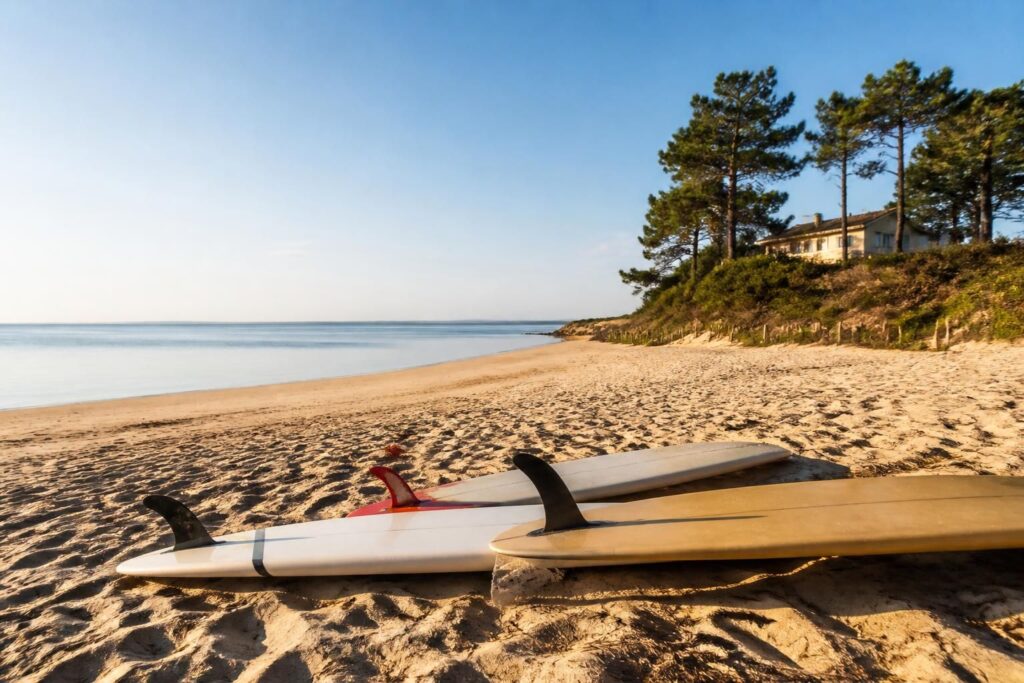
September 2026 is shaping up to be a real second round for the summer season: lower prices, favorable weather conditions and a less crowded lineup are creating a wave of optimism among travelers looking for uncrowded sessions and affordable trips.
September in Hossegor: mild weather and low rates for swell enthusiasts
Météo-France models forecast a mild, dry high-pressure pattern through mid-October. The result: consistent west swells, morning offshore winds, and 21°C water keep the takeoff zone ideal for experienced surfers and longboarders alike. Meanwhile, overnight rates drop by 30% compared with the first half of August, confirming that the September back-to-school season marks the end of seasonal surcharges.
Key weather indicators for a successful trip
An analysis of the past eight years shows that the September 5–25 period averages 16 days under high pressure, three times more than in June. Sunshine: 255 hours. Rainfall: 36 mm, compared with 78 mm in October. The figures confirm a climate made for optimizing sessions and sunset aperitifs.
Who are September travelers? Profile of a multi-board-sports tribe
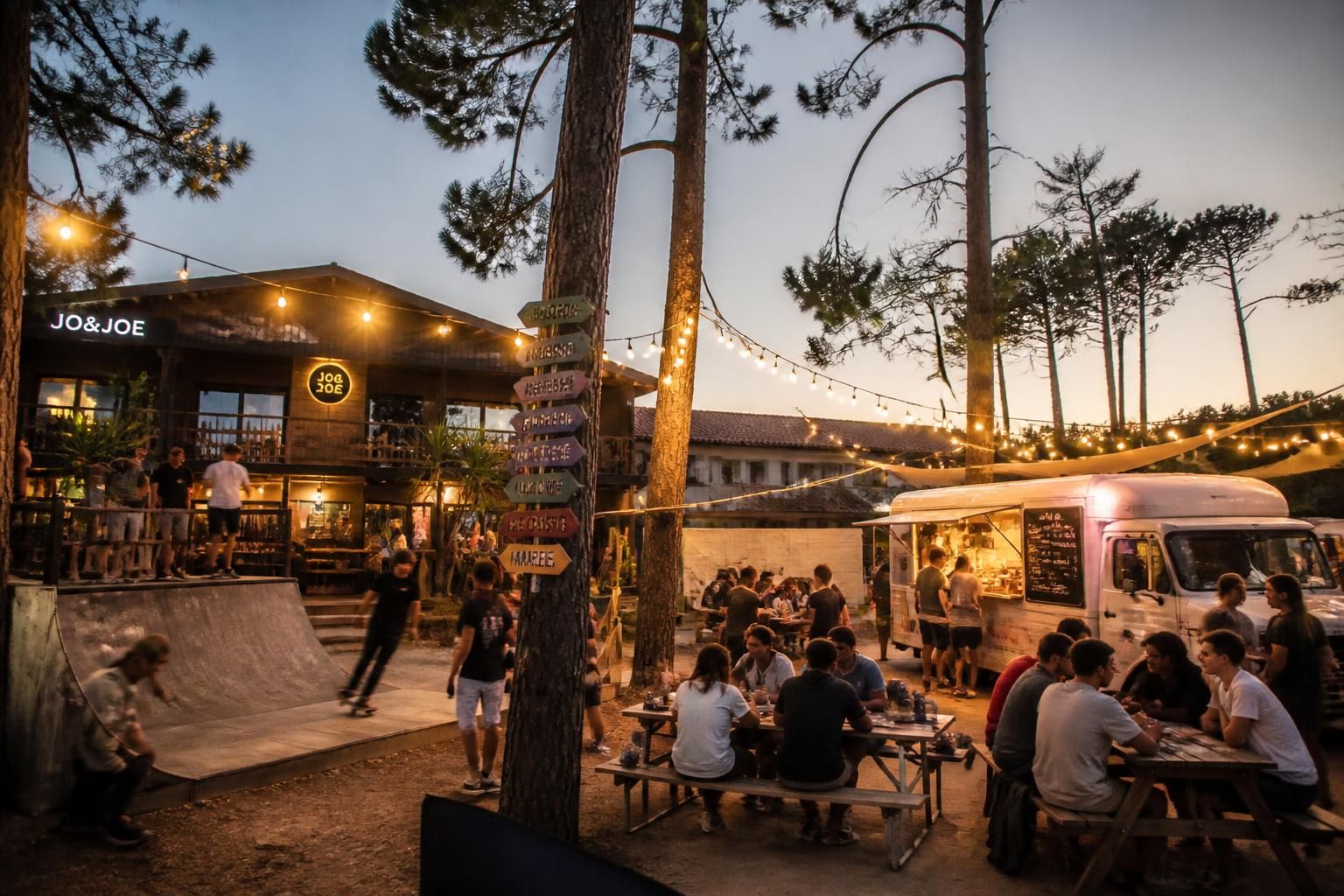
Three groups dominate the peak: riders, business tourism business travelers and active seniors. Antoine Marque (Jo&Joe Hossegor) reports 100% occupancy over the first three weeks, with a mix of 35% surfers, 40% corporate groups, and 25% “late summer” couples.
Benefits listed by surveyed vacationers
- More powerful waves and an uncrowded lineup after the summer crowds.
- Affordable trips thanks to post-season discounts (€24 per night instead of €67 in early August).
- Mild temperatures, ideal for families with young children.
- Local events such as the Quiksilver Festival in Hossegor without August’s traffic jams.
Hotels and campgrounds: strategies to extend the economic wave
Outdoor groups such as Homair Events and Sendaya are diversifying their offerings: seminar rooms, surf-yoga packages, and “beach house” accommodations through October 11. Mobile homes at €300 per week appeal to Germans whose Schulanfang falls in mid-September, boosting the economy locally.
Comparison of peak vs. low-season rates
| Type of accommodation | Summer peak (€/night) | September (€/night) | Observed decrease |
|---|---|---|---|
| Jo&Joe dormitory | 67 | 43 | -36 % |
| 4-person mobile home | 95 | 60 | -37 % |
| Premium beach house | 210 | 145 | -31 % |
Climate and the economy: why the market remains bullish despite lower prices
The drop in precipitation since 2015 has extended the operating window for campgrounds and limited early closures. At the same time, the longer tourist season offsets lower rates: an 8% increase in revenue is expected for the September 2026 segment, according to the FNHPA. A scenario that fuels the optimism of industry professionals and reinforces the momentum of late vacations.
On the Basque coast, Bayonne goes from 1.3 million visitors in July to 700,000 in September, but average spending rises by 18%, driven by cultural activities (chocolate museums, pelota) and introductory surf packages. Local stakeholders hope to replicate the successful model of the fall contest to extend the curve even further.
Why do prices drop after August 20?
The end of school vacations reduces demand, forcing hotels and campgrounds to adjust their pricing. Since fixed costs have already been covered, they prefer to fill rooms at reduced rates rather than leave beds empty.
Are September weather forecasts reliable?
At two weeks out, reliability exceeds 80%. The 2026 seasonal models converge on a mild high-pressure scenario, ideal for outdoor activities on the Atlantic coast.
Which Basque spots work best in September?
La Nord and La Gravière in Hossegor for solid barrels, Parlementia for smooth longboarding, and Côte des Basques at low tide for beginner lessons.
Do campsites keep all their services open?
Pools, bars, and restaurants remain open. Only nighttime entertainment becomes less frequent in order to reduce costs and accommodate lower attendance.